The Postpartum Shed: Why Your Hair Is Everywhere and When It Comes Back
Around month three or four postpartum, the drain becomes a crime scene and the hairbrush needs its own diaper pail. The postpartum shed is dramatic, universal-ish, and — crucially — a scheduling event, not damage. Here is the timeline and the survival styling.

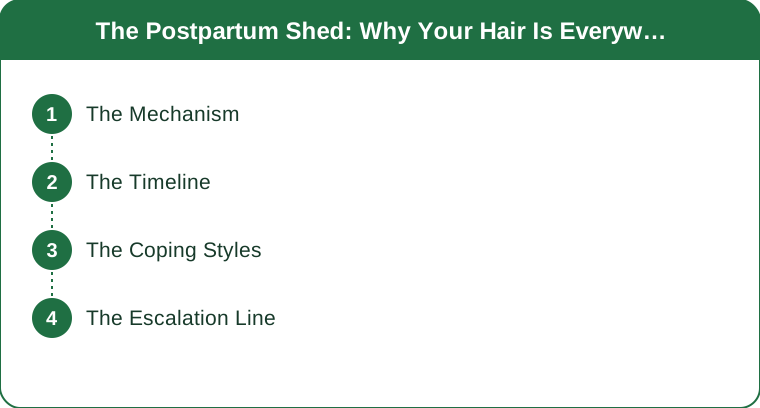
The Mechanism
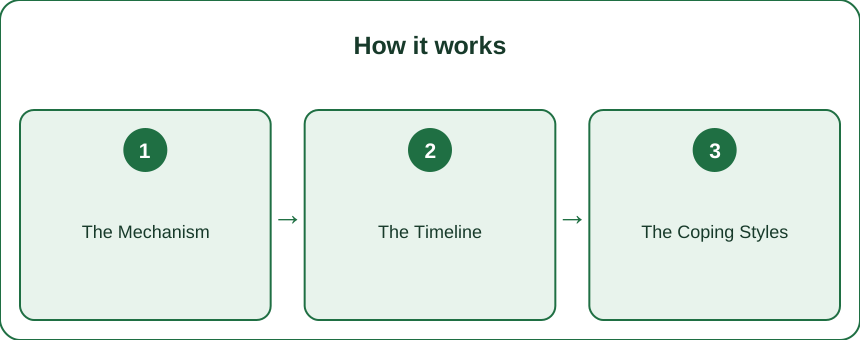
Pregnancy estrogen held your hair in place — the shed is every strand that skipped its normal exit, leaving at once when hormones normalize. It is a backlog clearing, not new loss: the drama is concentrated, the total is roughly what you would have shed anyway.
The Timeline
Shedding typically starts months 2-4, peaks around 4-6, and settles by the first birthday — with regrowth fuzz (the baby-hair halo at the temples) announcing the comeback around month 6-9. The halo is victory, cosmetically inconvenient victory.

The Coping Styles
Volume-forward cuts hide thinning temples, the deep side part redistributes coverage, and root-lift products earn their shelf space. The shedding phase rewards shorter and layered; the halo phase rewards edge gels and a sense of humor about antennae.
The Escalation Line
Shedding past 12-14 months, patchiness, or shedding plus exhaustion deserves bloodwork — postpartum thyroid dips and iron depletion mimic and extend the normal shed (the ferritin thread again). Normal shed needs no treatment; extended shed needs a look.
A backlog, not a breakdown: peak at month five, halo by month nine, bloodwork only if it overstays. The drain drama ends on schedule — and the tiny antennae that follow are the comeback, arriving fuzzy but punctual.
See It in Motion
Seen here: Maternity Capris with Side Pockets — shop it on bubblelime.com
Keep Reading
This article is for general informational purposes only and is not medical advice. Always consult a qualified health professional for guidance specific to you.