Postpartum Hair Shedding: When It Actually Stops (and What Speeds It Up)
Quick Answer: Postpartum shedding usually peaks around month 3-4 after birth and tapers off by month 6-12, once estrogen levels and your normal hair cycle reset. Regrowth shows up first as short baby hairs along the hairline around month 6.
Handfuls of hair in the shower drain at 3 months postpartum feel alarming, but this is one of the most predictable hair events your body goes through. The pregnancy hormone surge paused your normal shedding cycle for nine months — now it’s catching up all at once.

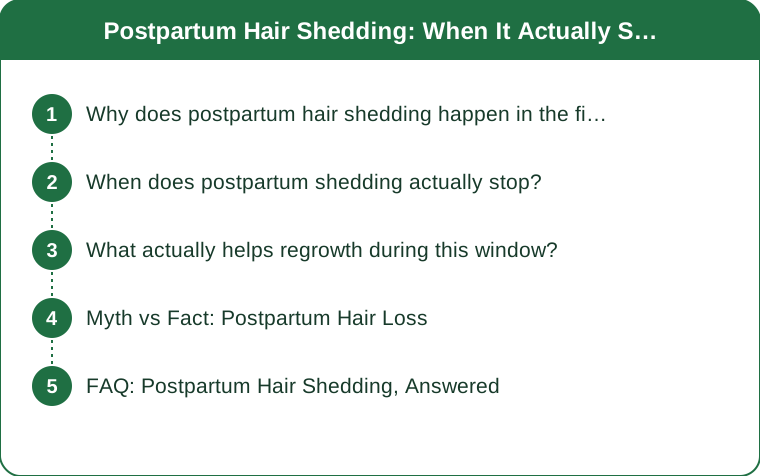
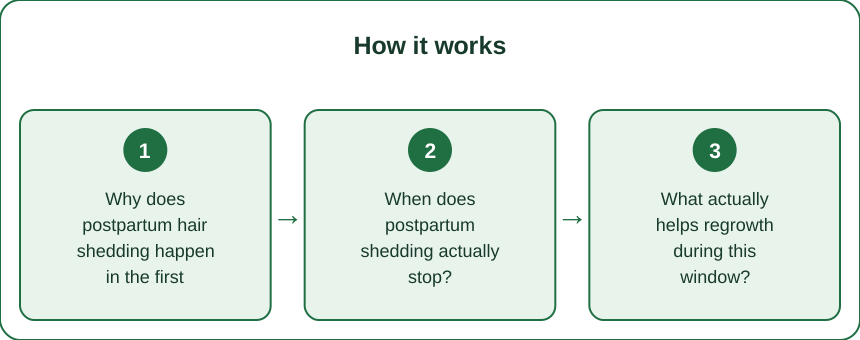
Why does postpartum hair shedding happen in the first place?
During pregnancy, elevated estrogen extends the growth phase of your hair cycle, so strands that would normally shed stay put. That’s why pregnancy hair often looks thicker than usual.
After birth, estrogen drops fast, and all those extra hairs enter the shedding phase at the same time. It’s not hair loss in the damage sense — it’s delayed shedding arriving in one wave.
When does postpartum shedding actually stop?
Most women see the heaviest shedding between month 2 and month 4 postpartum, tapering by month 6, and fully normalizing by month 12 for most people.
If you’re still losing significant volume past the 12-month mark, that’s worth a conversation with a doctor — thyroid changes and iron levels both shift postpartum and can extend shedding beyond the typical window.

What actually helps regrowth during this window?
Iron and protein intake matter most. Postpartum iron depletion is common (especially after blood loss during delivery) and low iron directly slows regrowth — a simple blood panel can confirm.
Gentle handling helps too: loose braids instead of tight ponytails, a wide-tooth comb on wet hair, and skipping heat styling on the fragile new growth around your hairline for the first few months.
Myth vs Fact: Postpartum Hair Loss
Myth: Breastfeeding causes hair loss. Fact: The hormone drop causes it, not breastfeeding itself — shedding timelines are similar whether or not you nurse.
Myth: Cutting your hair short stops the shedding. Fact: A shorter cut just makes the same shedding less visible in the drain and brush — the underlying cycle is unchanged.
Myth: If it hasn’t stopped by 6 months, something’s wrong. Fact: 6-12 months is the full normal range; only shedding well past a year or accompanied by visible thinning patches needs a checkup.
FAQ: Postpartum Hair Shedding, Answered
Is postpartum hair shedding the same as hair loss?
No — it’s temporary shedding of hairs that were ‘saved up’ during pregnancy, not permanent loss. Nearly everyone regrows to their pre-pregnancy density.
Should I take biotin for postpartum shedding?
Biotin deficiency is rare, and most postpartum shedding isn’t biotin-related. Iron and overall protein intake are more consistently linked to faster regrowth.
Will my hair go back to how it was before pregnancy?
For most women, yes, within about a year — though hair texture can shift slightly (finer or curlier) after pregnancy for some people, unrelated to the shedding itself.
TL;DR:
- Peak shedding hits month 2-4, tapers by month 6, normal by month 12
- Caused by the post-birth estrogen drop, not breastfeeding
- Check iron levels if shedding feels excessive — postpartum depletion is common
- Regrowth shows up as baby hairs along the hairline around month 6
This is general information, not medical advice — if shedding continues heavily past 12 months, get your iron and thyroid checked.
See It in Motion
Seen here: Maternity Capris with Side Pockets — shop it on bubblelime.com
Keep Reading
This article is for general informational purposes only and is not medical advice. Always consult a qualified health professional for guidance specific to you.