Hair Thinning in Women: The Honest Guide to What Works (and What Preys on Worry)
Quick Answer: Start with a doctor and bloodwork, not a shopping cart — ferritin, thyroid and vitamin D testing catches the fully reversible causes of female hair thinning. For pattern hair loss, topical minoxidil (5%) is the evidence leader, and it needs 4 to 6 months before you judge it. Nearly everything else on the shelf is marketing built on top of worry.
The widening part. The thinner ponytail. The shower-drain audit you swore you’d stop doing.
Roughly half of women will know some version of this by midlife, and the industry built around that fact — gummies, growth oils, laser helmets — sells hope faster than it sells evidence. Here’s the honest map: a short list of real causes, a shorter list of treatments that work, and a first step that’s medical rather than retail.
One thing up front, because it matters most: sudden shedding, patchy loss, or hair loss alongside other symptoms deserves a doctor and bloodwork before any product. Several causes are fully reversible when they’re found.

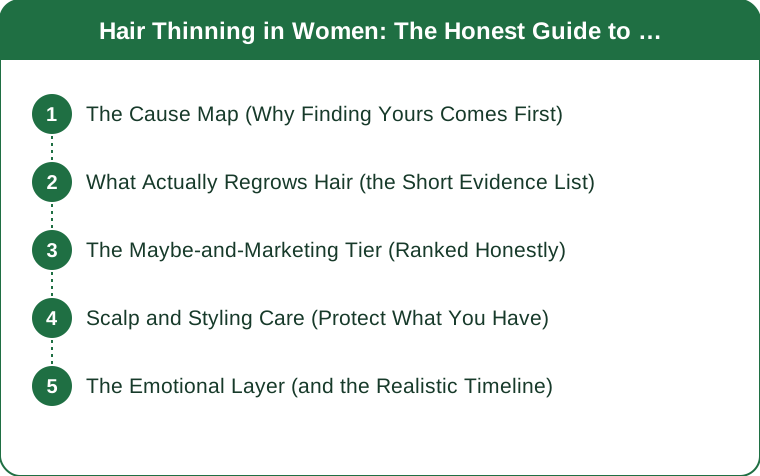
What actually causes hair thinning in women?
Five usual suspects, and telling yours apart changes everything you do next.
Female-pattern hair loss. The most common. Gradual thinning at the part and crown, genetic and hormone-influenced, progressing slowly over years. This is the one the treatments below target.
Telogen effluvium. A sudden, diffuse shed that shows up 2 to 4 months after a trigger — childbirth, major stress, illness, crash dieting, certain medications. It usually resolves on its own once the trigger passes, which is exactly why panic-buying products for it wastes months and money.
Nutritional deficiencies. Iron tops the list for women (ask for a ferritin test, not just hemoglobin), followed by vitamin D, zinc, and protein gaps from restrictive dieting. Fully reversible — and often hiding behind fatigue you’d already noticed and explained away.
Thyroid dysfunction. Hair loss plus tiredness, weight changes, or temperature intolerance. One blood panel away from an answer.
Traction and damage. Tight-ponytail hairline recession and over-processing breakage. Mechanical, preventable, and covered in the styling section below.
One doctor visit with ferritin, thyroid and vitamin D testing sorts most of this map. Start there, every time.
What actually regrows hair?
The list with real receipts is short on purpose.
Minoxidil (topical, over the counter) remains the evidence leader for female-pattern loss. The 5% foam or solution, used once to twice daily, produces measurable regrowth or stabilization for a substantial share of women in clinical trials. The honest fine print:
- Results take 4 to 6 months. Judging it at week six is judging nothing.
- An early temporary shed often precedes growth. It’s normal and it’s the point at which most people quit.
- Benefits require ongoing use. Stopping means losing the gains over the following months.
Prescription options exist beyond it — low-dose oral minoxidil and anti-androgen medications like spironolactone — and both are dermatologist conversations, particularly if pregnancy is a consideration.
PRP (platelet-rich plasma) injections have growing evidence and a meaningfully higher price tag.
That’s the list. Everything else on the shelf is auditioning.

Myth vs Fact: the rest of the aisle
Myth: Biotin gummies fix hair loss. Fact: Biotin only helps actual biotin deficiency, which is rare. For everyone else it does approximately nothing — and it can distort thyroid and cardiac lab results, so tell your doctor if you’re taking it before bloodwork.
Myth: Rosemary oil is as good as minoxidil. Fact: That claim traces to one small study comparing it to low-dose minoxidil. It’s promising, gentle, and reasonable to try as a scalp-massage carrier if you like the ritual — but the evidence is thin and the timeline long. It is not a substitute for the tested option.
Myth: Laser caps and combs regrow hair. Fact: Low-level laser devices have modest supportive trials. Plausible, expensive, and slower than minoxidil. Reasonable as an add-on for the committed; a poor first move.
Myth: Hair-growth shampoo works. Fact: Shampoo contacts your scalp for about 90 seconds and then leaves. It can improve scalp health, which matters — but it isn’t a growth treatment.
Myth: Collagen supplements thicken hair. Fact: Hope math. If you enjoy it, fine; just don’t fund it before the doctor’s visit.
The tell across this entire tier: before-and-after photos and influencer discount codes standing in for trials. The wallet rule is simple — fund the appointment and the minoxidil first.
How do you protect the hair you still have?
Keeping hair is easier than regrowing it, and this half gets neglected.
Retire the daily tight ponytail. Traction loss is cumulative, and caught early it’s reversible. Soft ties, looser styles, rotate where the tension sits. Your edges will tell you how it’s going.
Handle wet hair gently. It’s at its most fragile wet. Wide-tooth comb, no aggressive towel-scrubbing, microfiber and patience.
Audit heat and chemistry. Lower iron temperatures, always use heat protectant, and space out coloring and relaxing. Breakage mimics thinning and then compounds it.
Treat scalp care like skin care. Regular gentle massage (plausible circulation benefits, certain relaxation benefits, and the delivery method for the rosemary experiment), occasional clarifying for buildup, and treating persistent flaking or itch as the dermatological issue it is — scalp inflammation and hair retention are linked.
None of this regrows lost density. All of it protects the density you’re currently negotiating to keep.
How do you handle the emotional side?
This part deserves plain words. Hair loss hits women’s sense of identity in ways research keeps confirming — distress, social anxiety, the quiet mirror grief. And the isolation is unearned, because it’s one of the most common midlife experiences women simply don’t discuss with each other.
Photograph your part and hairline monthly, same light, same spot. Memory is a terrible instrument. Photos catch both decline and the slow wins that treatments actually produce.
Set expectations in seasons, not weeks. Every legitimate option runs on a 4 to 6 month timeline. The industry sells 30-day hope precisely because real biology can’t deliver it.
Know the styling bridge exists. Volumizing systems, root-touch fibers and toppers have quietly gotten excellent. They’re tools, not surrender.
Find the communities where women compare notes honestly. The dread shrinks remarkably when it’s met with a plan instead of a search bar at 1am.
When should you see a professional?
Book an appointment — don’t wait it out — if you have:
- Sudden or rapid shedding, or loss in distinct patches
- Hair loss with fatigue, weight change, or temperature intolerance (thyroid signals)
- Scalp pain, burning, redness or scarring, which can indicate scarring alopecias where early treatment genuinely matters
- Loss alongside irregular periods, acne or new facial hair (hormonal workup)
- No improvement after 6 consistent months of over-the-counter treatment
A dermatologist is the right specialist, and asking specifically for ferritin, TSH and vitamin D at the first visit saves a round trip.
FAQ
How long does minoxidil take to work?
Expect 4 to 6 months before making any judgment. An initial shed in the first 2 to 8 weeks is common and typically precedes growth rather than signaling failure.
Is hair loss after pregnancy permanent?
Postpartum shedding is classic telogen effluvium — it usually peaks around 3 to 4 months after birth and resolves on its own over the following months. If it hasn’t improved by around 12 months, get bloodwork, since postpartum thyroid changes and iron depletion are both common.
Do hair vitamins actually do anything?
Only if you’re deficient in what they contain. Testing first is cheaper than a year of supplements, and it tells you which deficiency (if any) you’re actually treating.
TL;DR:
- Doctor and bloodwork first — ferritin, thyroid, vitamin D. The reversible causes hide there.
- Topical 5% minoxidil is the proven over-the-counter option, on a 4 to 6 month contract.
- Gummies, growth shampoos and collagen: hope math. Laser and rosemary: modest, slow, secondary.
- Protect what you have: looser styles, gentle wet-hair handling, less heat, real scalp care.
- Monthly photos instead of mirror panic. And book the blood panel — the drain audit can retire.
Keep Reading
This article is for general informational purposes only and is not medical advice. Always consult a qualified health professional for guidance specific to you.